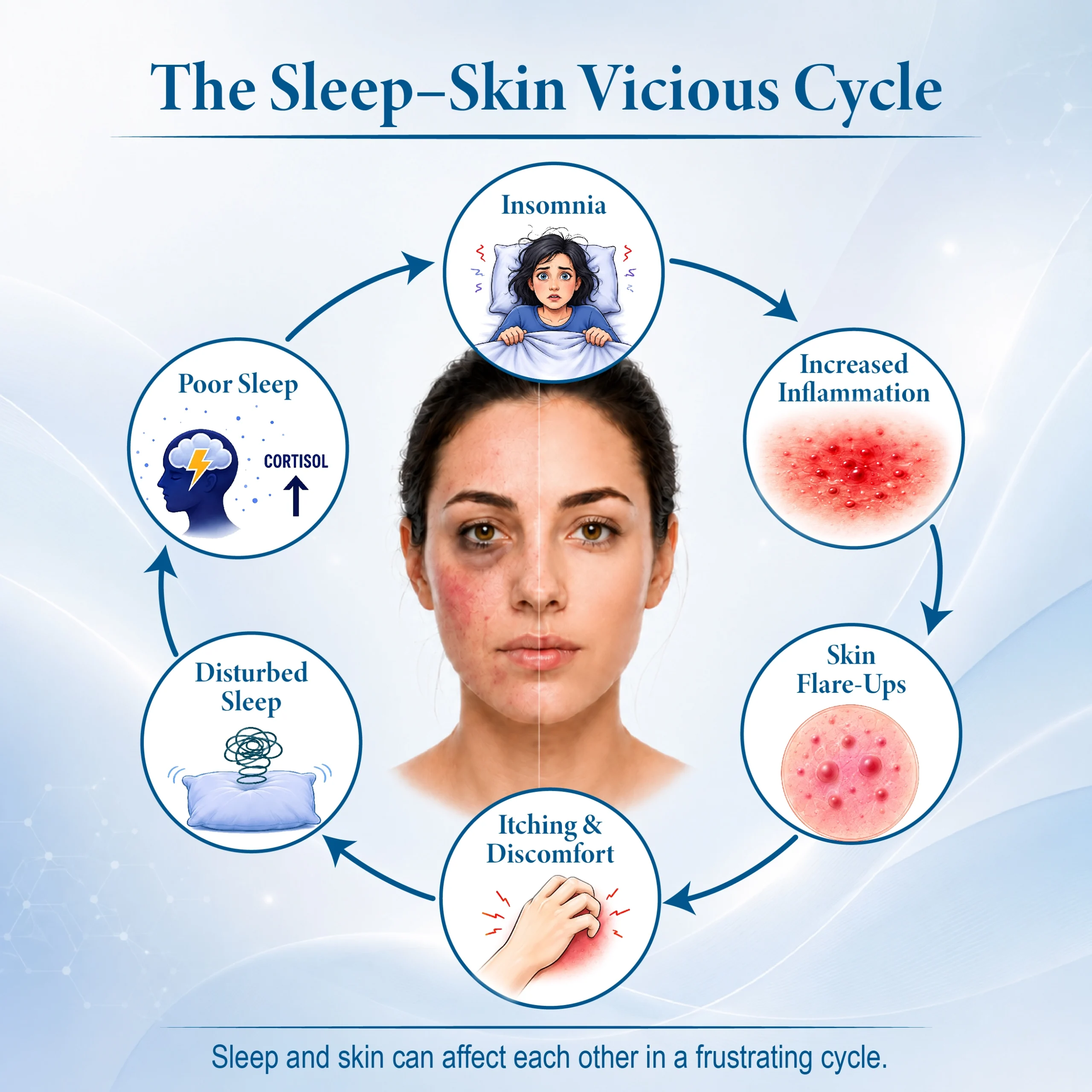
Insomnia can affect the skin by increasing inflammation, disrupting hormone balance, and weakening the immune system. These changes may contribute to or worsen skin conditions such as acne, eczema, and psoriasis.
The relationship also works in the opposite direction. Itching and dry skin caused by eczema or psoriasis can interrupt sleep and may contribute to insomnia. Sleep deprivation can then make itching, stress, and inflammation worse, creating a cycle in which skin problems disturb sleep and disturbed sleep aggravates the skin.
However, poor sleep is not the only cause of skin disorders. Stress, hormones, heredity, clogged pores, skin microorganisms, diet, skincare products, and certain medications may also play a role.
Improving sleep may support healthier skin and help reduce flare-ups. However, conditions such as acne, eczema, psoriasis, rosacea, and dermatitis may still require professional medical or dermatological care.
A sleep disorder like Obstructive Sleep Apnea (OSA) can have a much more profound impact on skin health. Obstructive Sleep Apnea (OSA) is a chronic, serious, and most common sleep disorder. It occurs when the throat muscles relax during sleep, causing complete or almost complete airways collapse, cutting off airflow intermittently.
When left untreated, OSA may contribute to inflammation, metabolic dysfunction, cardiovascular strain, and other changes that can affect different organs, including the skin.
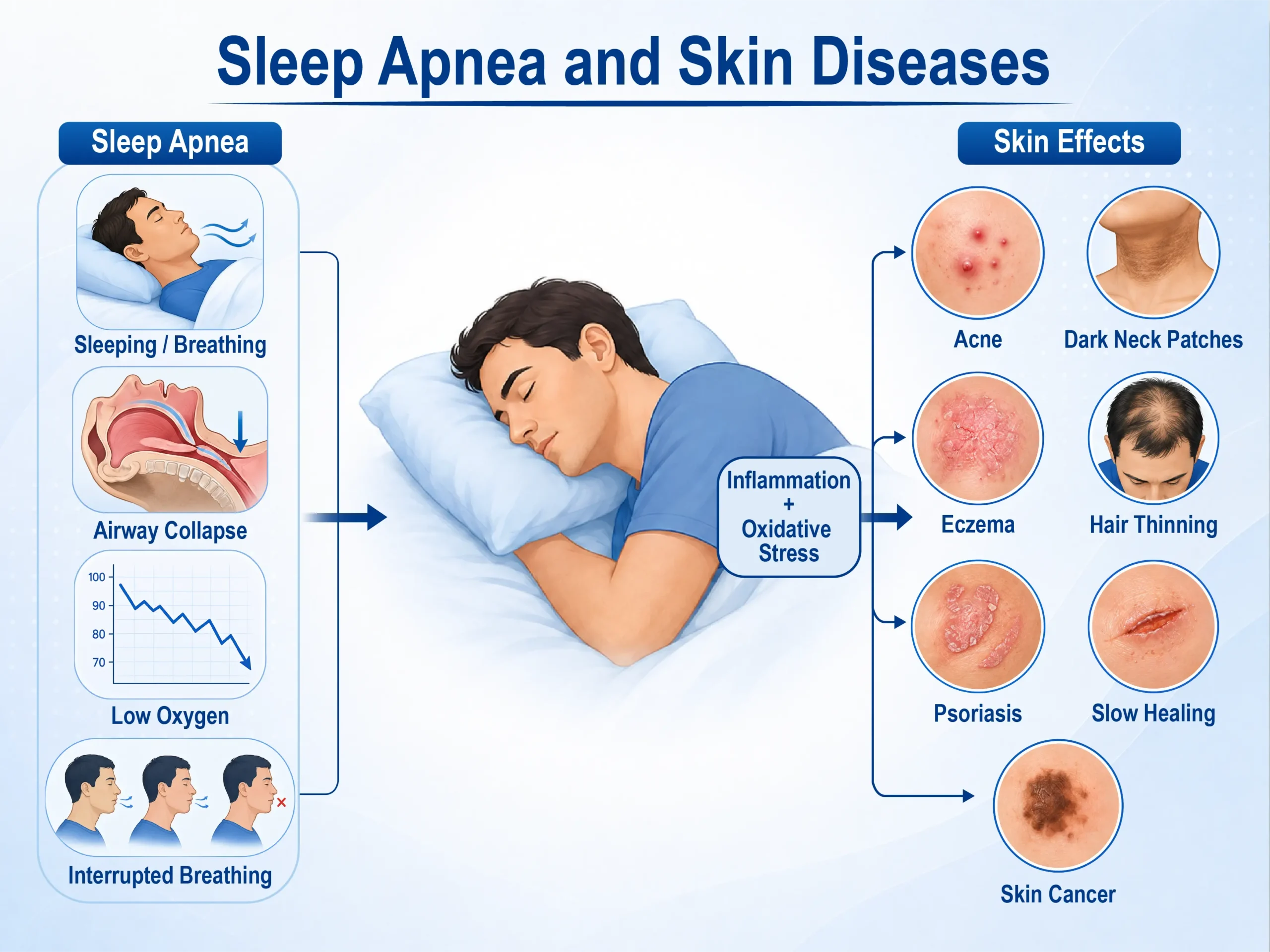
Research has found a connection between OSA and a higher risk of melanoma, a serious type of skin cancer. This association appears to be stronger in people who experience more severe drops in blood oxygen during sleep.
These oxygen fluctuations may increase inflammation and oxidative stress, weaken the body’s immune surveillance, and interfere with normal cellular repair. These changes could create conditions that make it easier for cancer cells to develop or progress.
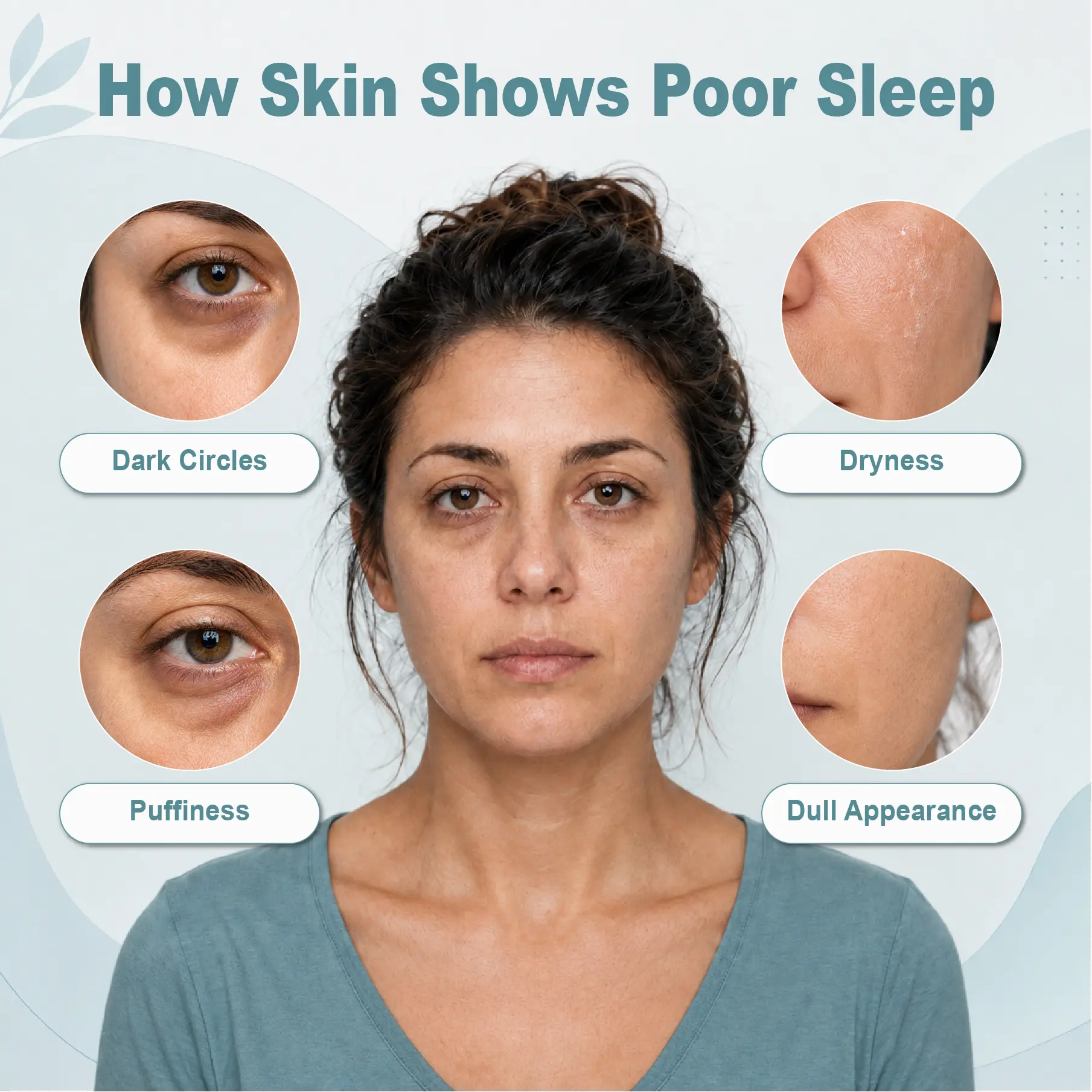
The strongest evidence concerns hydration and the skin barrier, the protective outer layer that keeps moisture inside while blocking irritants and allergens. When nighttime sleep is restricted, women’s skin may lose more water and show changes in flexibility and texture. Habitual poor sleepers may also recover more slowly after barrier disruption, leaving the skin dry, tight, rough, and uncomfortable. Other factors like extreme weather, chemicals, medications, and skin diseases also affect skin hydration and its function as a barrier to environmental stimuli.
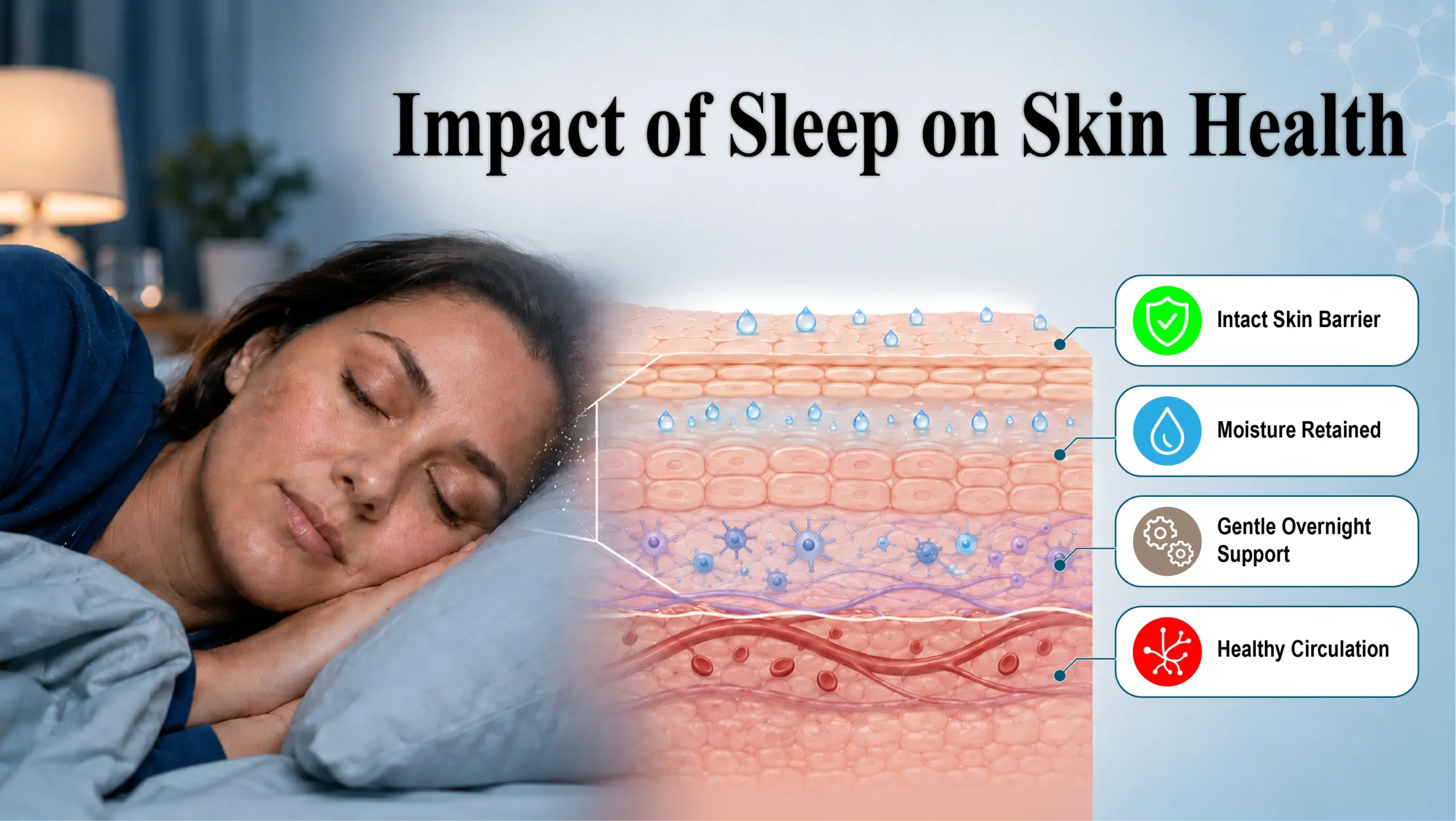
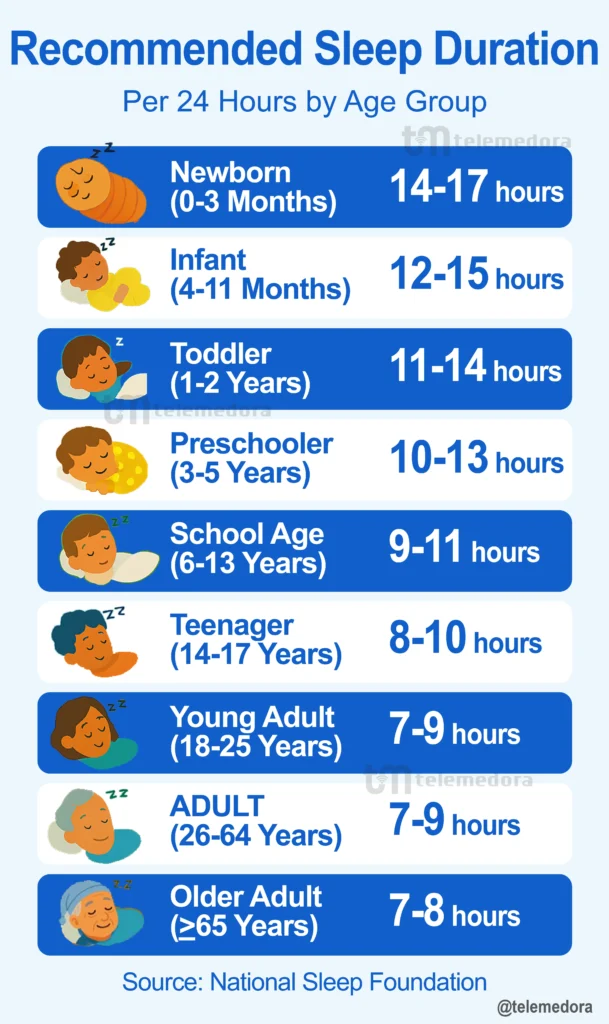
There is no special sleep recommendation specifically for skin. Individuals should pay attention to their body needs.
Sleep duration as well as sleep quality are important. There is no single “best bedtime” for skin repair, as the ideal sleep schedule depends on the body’s natural sleep rhythm and overall health.
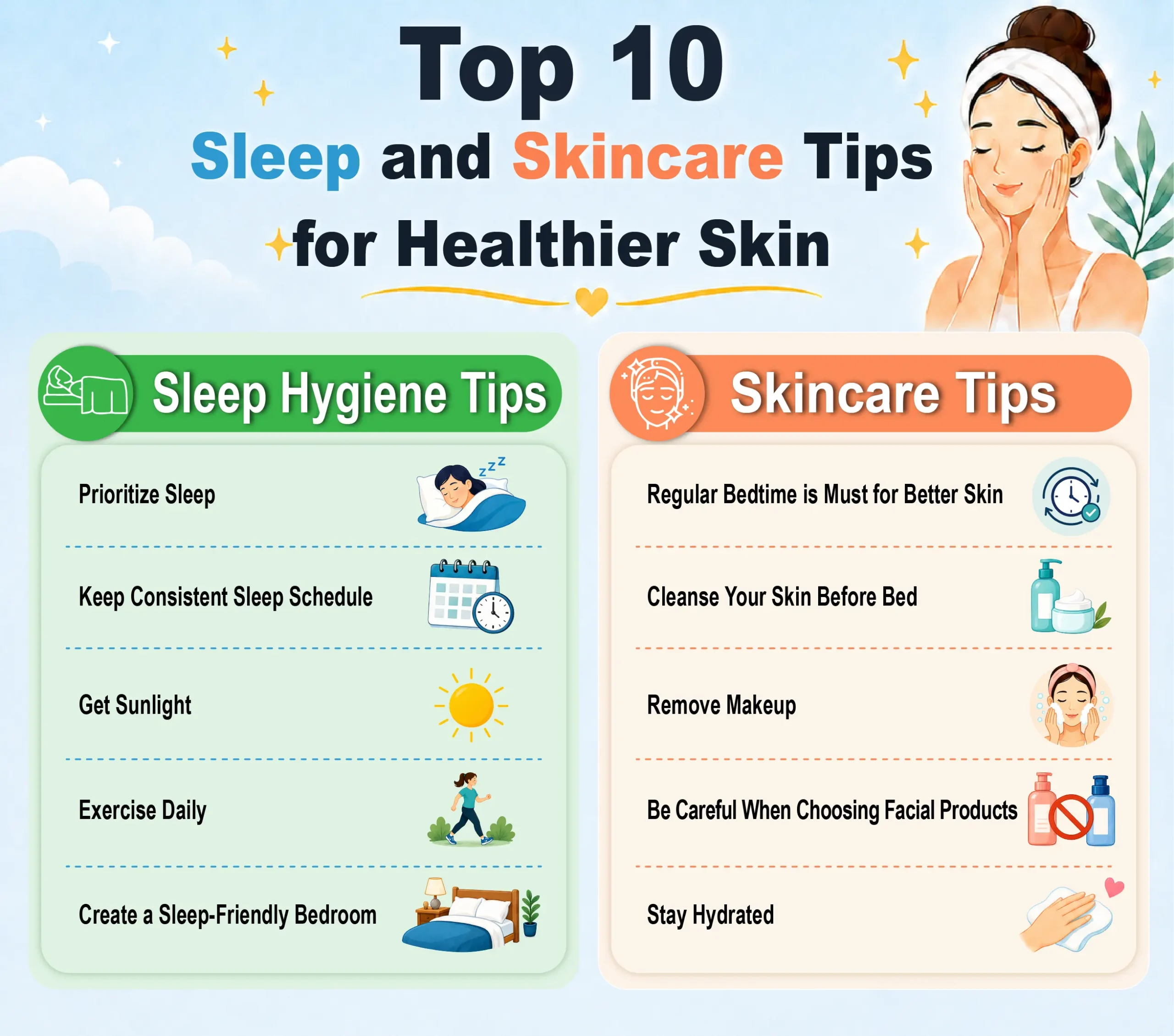
Some symptoms, such as dryness or looking tired, improve with sleep, but the time frame or number of days cannot be predicted. Look for consistent patterns such as less morning dryness, better comfort, a more rested appearance, or softer dehydration-related lines. Remember that these signs can have many causes, so avoid judging your skin based on a single morning.
In a nutshell, Sleep should be viewed as one part of healthy skincare, not a replacement for sunscreen, moisturiser, a balanced diet or appropriate medical treatment.
Sleep and skin health can affect each other. If you have persistent insomnia, frequent wake-ups, snore loudly, gasp during sleep, or still feel tired after spending enough time in bed, talk to a sleep doctor about whether a sleep assessment is needed. Similarly, see a skin specialist if a skin problem is long-lasting, severe, painful, spreading, infected, scarring, bleeding, or regularly disrupting your sleep.

Duan, G. Y., & Silverberg, J. I. (2023). Sleep impairment in patients with chronic inflammatory skin diseases: A review of mechanisms and management. Journal of the American Academy of Dermatology, 88(2), 421–427. https://doi.org/10.1016/j.jaad.2022.06.008
Duan et al. (2021). The circadian clock and diseases of the skin. FEBS Letters, 595(19), 2413–2436. https://doi.org/10.1002/1873-3468.14192
Edinger et al. (2021). Behavioral and psychological treatments for chronic insomnia disorder in adults: An American Academy of Sleep Medicine clinical practice guideline. Journal of Clinical Sleep Medicine, 17(2), 255–262. https://doi.org/10.5664/jcsm.8986
Hirshkowitz et al. (2015). National Sleep Foundation’s sleep time duration recommendations: Methodology and results summary. Sleep Health, 1(1), 40–43. https://doi.org/10.1016/j.sleh.2014.12.010
Holding et al. (2019). The effect of sleep deprivation on objective and subjective measures of facial appearance. Journal of Sleep Research, 28(6), Article e12860. https://doi.org/10.1111/jsr.12860
Hoyle et al. (2017). Circadian actin dynamics drive rhythmic fibroblast mobilization during wound healing. Science Translational Medicine, 9(415), Article eaal2774. https://doi.org/10.1126/scitranslmed.aal2774
Irwin, M. R. (2019). Sleep and inflammation: Partners in sickness and in health. Nature Reviews Immunology, 19(11), 702–715. https://doi.org/10.1038/s41577-019-0190-z
Irwin et al. (2016). Sleep disturbance, sleep duration, and inflammation: A systematic review and meta-analysis of cohort studies and experimental sleep deprivation. Biological Psychiatry, 80(1), 40–52. https://doi.org/10.1016/j.biopsych.2015.05.014
Jang et al. (2020). A study of skin characteristics with long-term sleep restriction in Korean women in their 40s. Skin Research and Technology, 26(2), 193–199. https://doi.org/10.1111/srt.12797
Jang et al. (2022). Evaluation of changes in skin characteristics due to the poor quality of sleep caused by smartphone usage. Journal of Cosmetic Dermatology, 21(4), 1656–1665. https://doi.org/10.1111/jocd.14265
Kim et al. (2017). The effects of sleep deprivation on the biophysical properties of facial skin. Journal of Cosmetics, Dermatological Sciences and Applications, 7(1), 34–47. https://doi.org/10.4236/jcdsa.2017.71004
Kwon et al. (2025). Independent and combined effects of particulate matter and sleep deprivation on human skin barrier. Annals of Dermatology, 37(3), 131–139. https://doi.org/10.5021/ad.25.003
Léger et al. (2022). “You look sleepy…”: The impact of sleep restriction on skin parameters and facial appearance of 24 women. Sleep Medicine, 89, 97–103. https://doi.org/10.1016/j.sleep.2021.11.011
Li et al. (2018). Sleep disturbance and sleep-related impairment in adults with atopic dermatitis: A cross-sectional study. Dermatitis, 29(5), 270–277. https://doi.org/10.1097/DER.0000000000000401
Libman et al. (2016). Refreshing sleep and sleep continuity determine perceived sleep quality. Sleep Disorders, 2016, Article 7170610. https://doi.org/10.1155/2016/7170610
Lyons et al. (2019). Circadian rhythm and the skin: A review of the literature. The Journal of Clinical and Aesthetic Dermatology, 12(9), 42–45. https://pmc.ncbi.nlm.nih.gov/articles/PMC6777699/
Mann et al. (2023). Sleep disorders in dermatology: A comprehensive review. Journal der Deutschen Dermatologischen Gesellschaft, 21(6), 577–584. https://doi.org/10.1111/ddg.14992
Matsubara et al. (2023). Sleep deprivation increases facial skin yellowness. Journal of Clinical Medicine, 12(2), Article 615. https://doi.org/10.3390/jcm12020615
Oyetakin-White et al. (2015). Does poor sleep quality affect skin ageing? Clinical and Experimental Dermatology, 40(1), 17–22. https://doi.org/10.1111/ced.12455
Samaniego et al. (2025). Sleep disturbances and acne: A comprehensive review. Dermatology Practical & Conceptual, 15(4), Article e20255530. https://doi.org/10.5826/dpc.1504a5530
Schrom et al. (2019). Acne severity and sleep quality in adults. Clocks & Sleep, 1(4), 510–516. https://doi.org/10.3390/clockssleep1040039
Shao et al. (2022). Regular late bedtime significantly affects the skin physiological characteristics and skin bacterial microbiome. Clinical, Cosmetic and Investigational Dermatology, 15, 1051–1063. https://doi.org/10.2147/CCID.S364542
Smith et al. (2018). Impact of sleep restriction on local immune response and skin barrier restoration with and without “multinutrient” nutrition intervention. Journal of Applied Physiology, 124(1), 190–200. https://doi.org/10.1152/japplphysiol.00547.2017
Sundelin et al. (2013). Cues of fatigue: Effects of sleep deprivation on facial appearance. Sleep, 36(9), 1355–1360. https://doi.org/10.5665/sleep.2964
Sundelin et al. (2017). Negative effects of restricted sleep on facial appearance and social appeal. Royal Society Open Science, 4(5), Article 160918. https://doi.org/10.1098/rsos.160918
Xu et al. (2023). Association between exposure to light at night (LAN) and sleep problems: A systematic review and meta-analysis of observational studies. Science of the Total Environment, 857(Pt. 1), Article 159303. https://doi.org/10.1016/j.scitotenv.2022.159303
Zitser et al. (2022). Pittsburgh Sleep Quality Index (PSQI) responses are modulated by total sleep time and wake after sleep onset in healthy older adults. PLOS ONE, 17(6), Article e0270095. https://doi.org/10.1371/journal.pone.0270095