
The Science Behind Beauty Sleep

For some people, the secret to youthful skin is mainly about beauty products like moisturizers, sunscreens, anti-aging procedures, and prescription treatments. However, it is important to note that good quality and quantity of sleep has a significant impact on skin, i.e. the largest organ in our bodies. Deep sleep plays an important role in repair and regeneration of skin tissue. This is important for maintaining a glowing skin. The link between sleep and skin health has become a hot topic, and it’s no surprise, considering how many people say they look duller, drier or less refreshed after a bad night’s sleep. Things that impact skin health include: Sleep, moisture balance, blood flow, nutrition, temperature control and hormones.

What Happens to Your Skin While You Sleep?

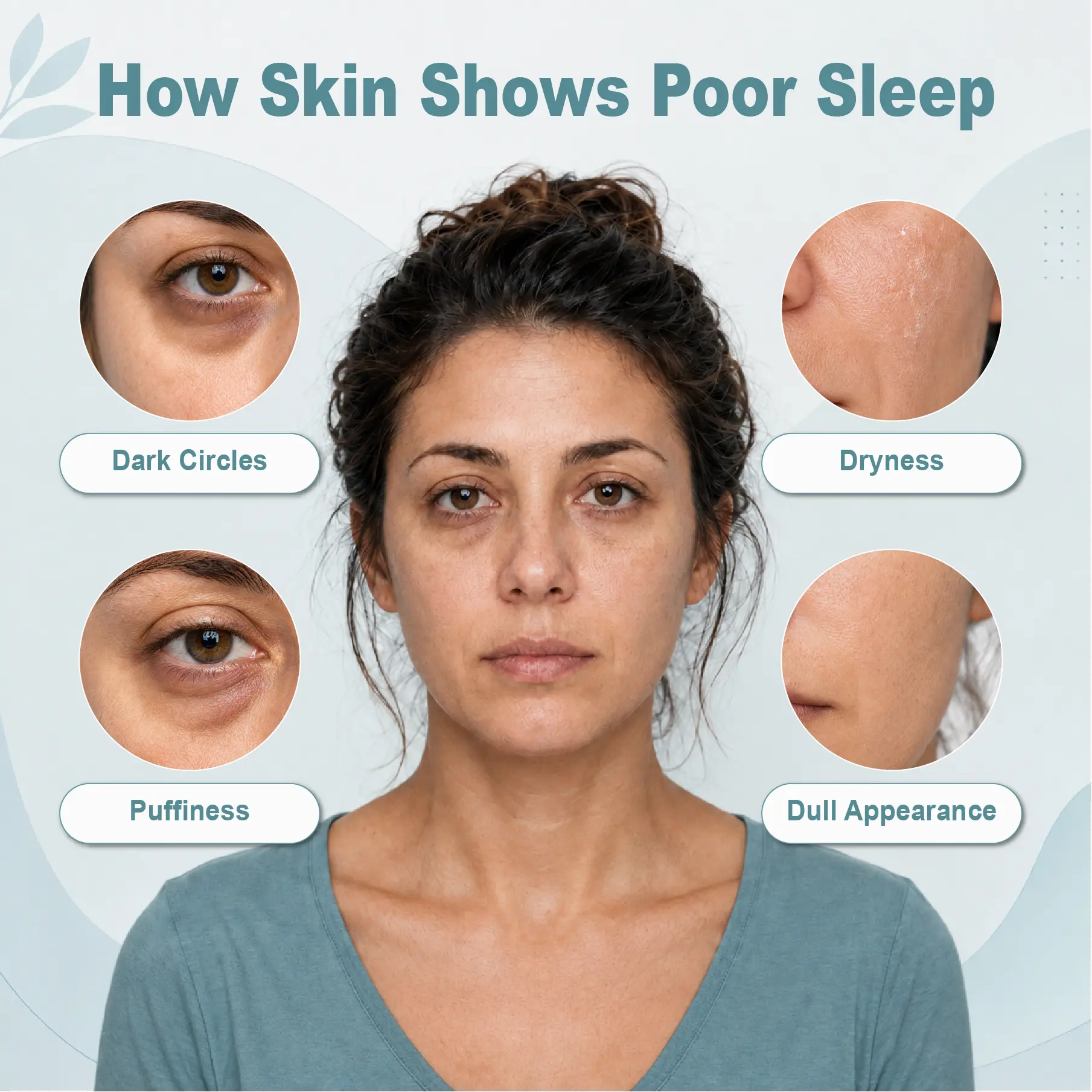
Skin cells like keratinocytes, melanocytes, epidermis and dermis contain biological clocks that regulate water loss, temperature, blood flow, immune activity, and renewal. Adequate sleep supports normal circulation and skin recovery processes, but it does not directly “oxygenate” the face or create a glow by simply increasing blood flow. Some studies have linked good sleep to improving immune health which in turn could help with skin collagen production. Sleep deprivation has been linked to poor skin. A short night of sleep can change how the face appears the following day. Some people may notice temporary changes such as a more tired-looking expression, increased puffiness around the eyes, or a less rested appearance. These changes are not signs of permanent skin aging. A few nights of poor sleep do not create new wrinkles or permanently damage the skin. Instead, they may make existing features or concerns appear more noticeable.

Is “Beauty Sleep” Real?

“Beauty sleep” is not a medical term. It simply describes the idea that adequate sleep can help a person look healthier and more refreshed. The “natural glow” effect after restful sleep comes from reduced dark circles under eyes and no sign of fatigue upon waking up. After two nights of restricted sleep, some people not only looked tired but their skin looked dull. Consistently getting adequate good-quality sleep may help the skin maintain its natural barrier, recover from daily environmental stress, and appear healthier and more refreshed over time.

Insomnia and Skin Disorder

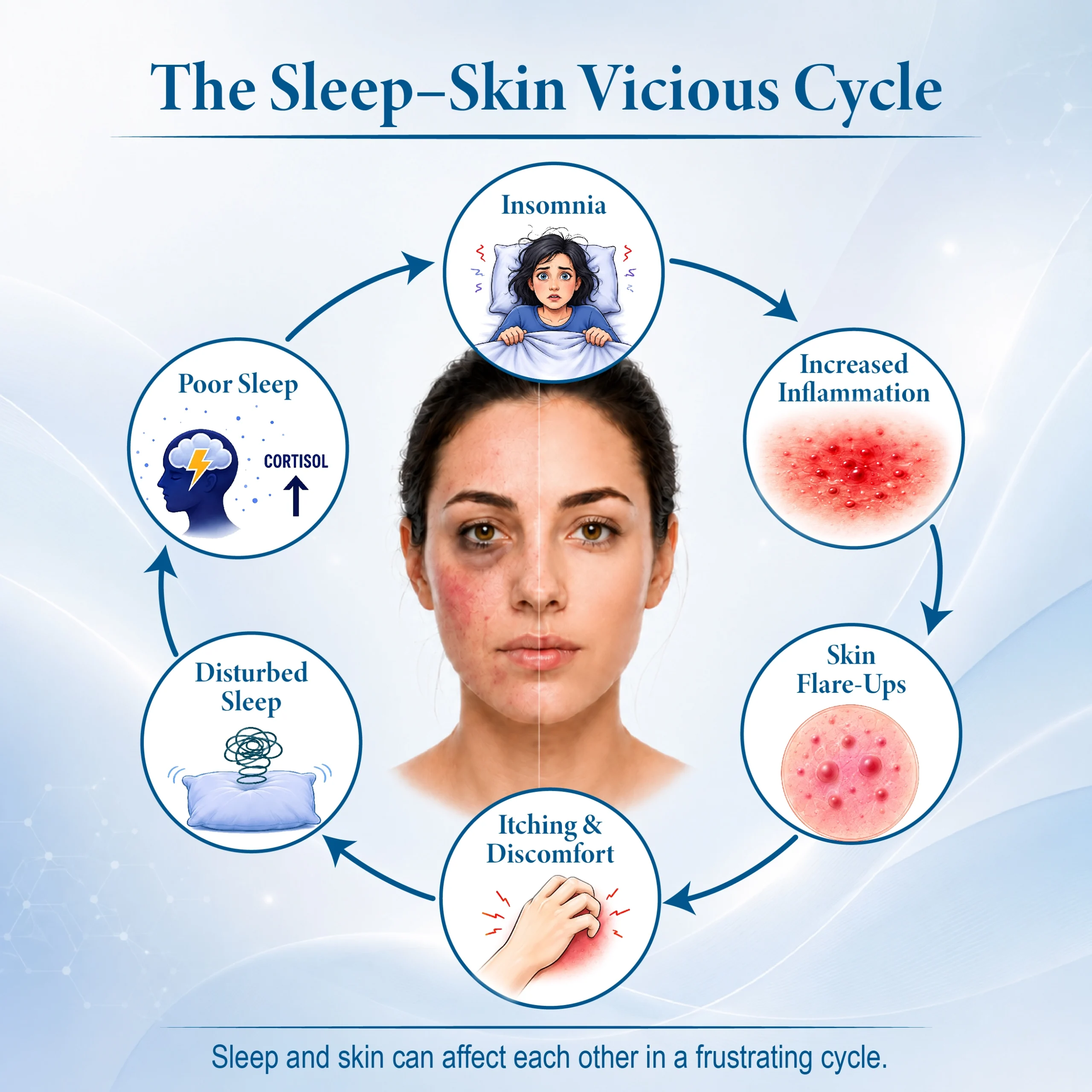
Insomnia can affect the skin by increasing inflammation, disrupting hormone balance, and weakening the immune system. These changes may contribute to or worsen skin conditions such as acne, eczema, and psoriasis.

The relationship also works in the opposite direction. Itching and dry skin caused by eczema or psoriasis can interrupt sleep and may contribute to insomnia. Sleep deprivation can then make itching, stress, and inflammation worse, creating a cycle in which skin problems disturb sleep and disturbed sleep aggravates the skin.

However, poor sleep is not the only cause of skin disorders. Stress, hormones, heredity, clogged pores, skin microorganisms, diet, skincare products, and certain medications may also play a role.

Improving sleep may support healthier skin and help reduce flare-ups. However, conditions such as acne, eczema, psoriasis, rosacea, and dermatitis may still require professional medical or dermatological care.
Sleep Apnea and Skin Diseases

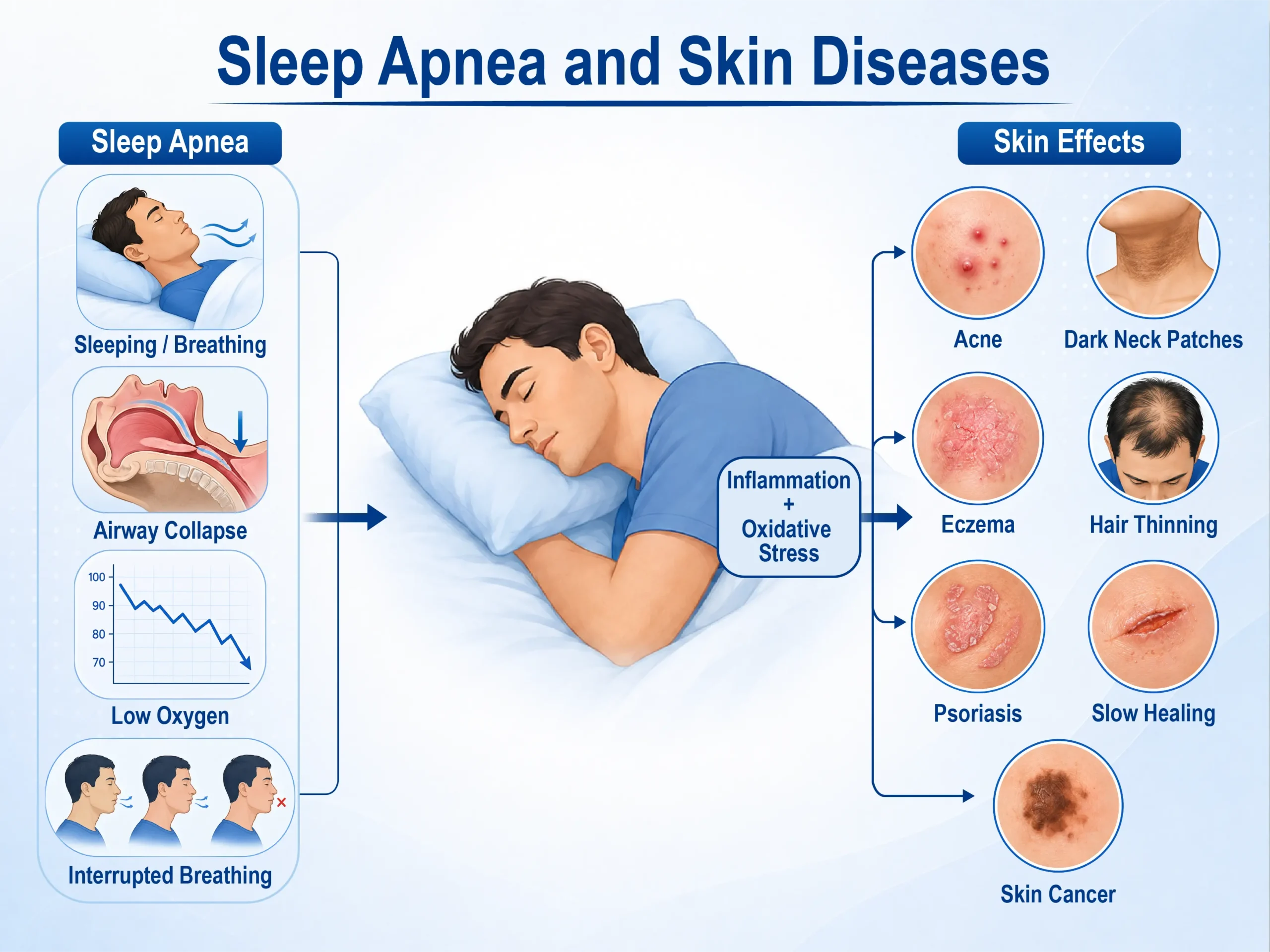
A sleep disorder like Obstructive Sleep Apnea (OSA) can have a much more profound impact on skin health. Obstructive Sleep Apnea (OSA) is a chronic, serious, and most common sleep disorder. It occurs when the throat muscles relax during sleep, causing complete or almost complete airways collapse, cutting off airflow intermittently. 

When left untreated, OSA may contribute to inflammation, metabolic dysfunction, cardiovascular strain, and other changes that can affect different organs, including the skin. 
How OSA May Affect the Skin

  • Worsening acne, eczema, or psoriasis
  • Dark, velvety patches around the neck or skin folds
  • Slower wound healing
  • Inflammatory conditions such as hidradenitis suppurativa
  • Hair thinning or hair loss
  • Hormone-related unwanted facial or body hair

Sleep Apnea and Skin Cancer

Research has found a connection between OSA and a higher risk of melanoma, a serious type of skin cancer. This association appears to be stronger in people who experience more severe drops in blood oxygen during sleep. 

These oxygen fluctuations may increase inflammation and oxidative stress, weaken the body’s immune surveillance, and interfere with normal cellular repair. These changes could create conditions that make it easier for cancer cells to develop or progress.

How Sleep Supports Skin Hydration and Protection

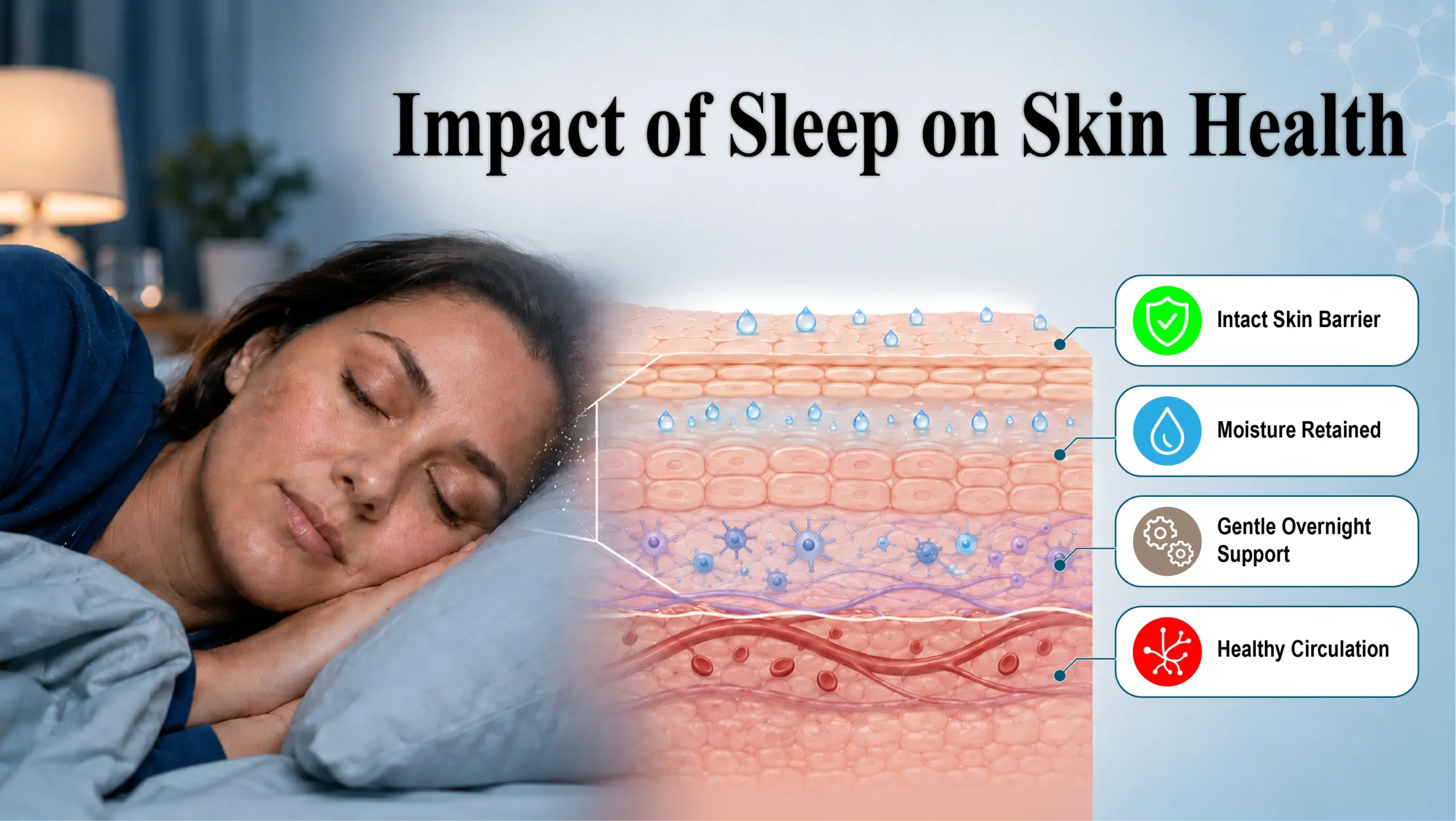
The strongest evidence concerns hydration and the skin barrier, the protective outer layer that keeps moisture inside while blocking irritants and allergens. When nighttime sleep is restricted, women’s skin may lose more water and show changes in flexibility and texture. Habitual poor sleepers may also recover more slowly after barrier disruption, leaving the skin dry, tight, rough, and uncomfortable. Other factors like extreme weather, chemicals, medications, and skin diseases also affect skin hydration and its function as a barrier to environmental stimuli.
How Much Sleep Do You Need for Healthy Skin?

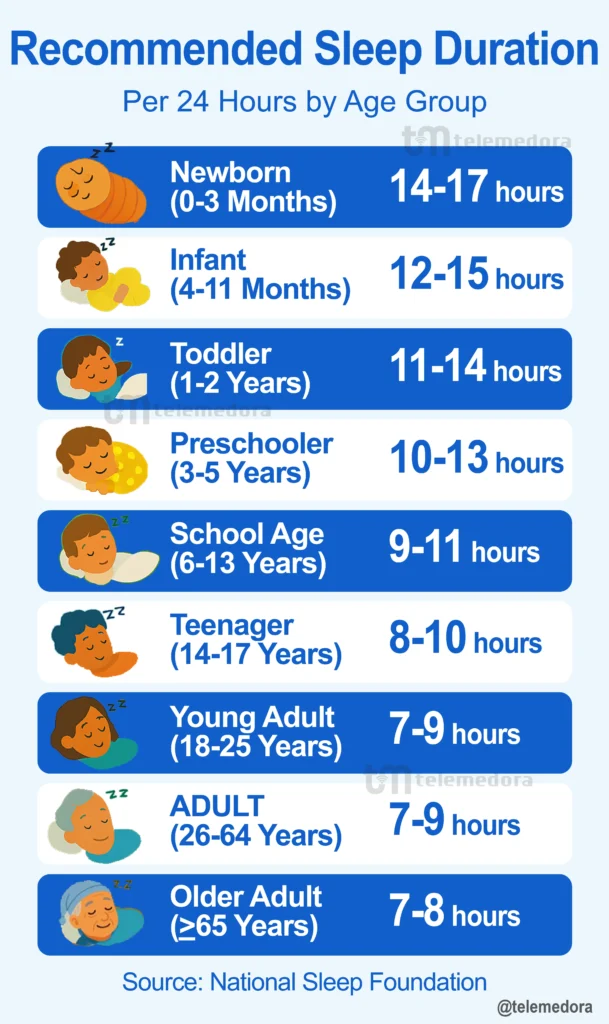
There is no special sleep recommendation specifically for skin. Individuals should pay attention to their body needs.

Sleep duration as well as sleep quality are important. There is no single “best bedtime” for skin repair, as the ideal sleep schedule depends on the body’s natural sleep rhythm and overall health.
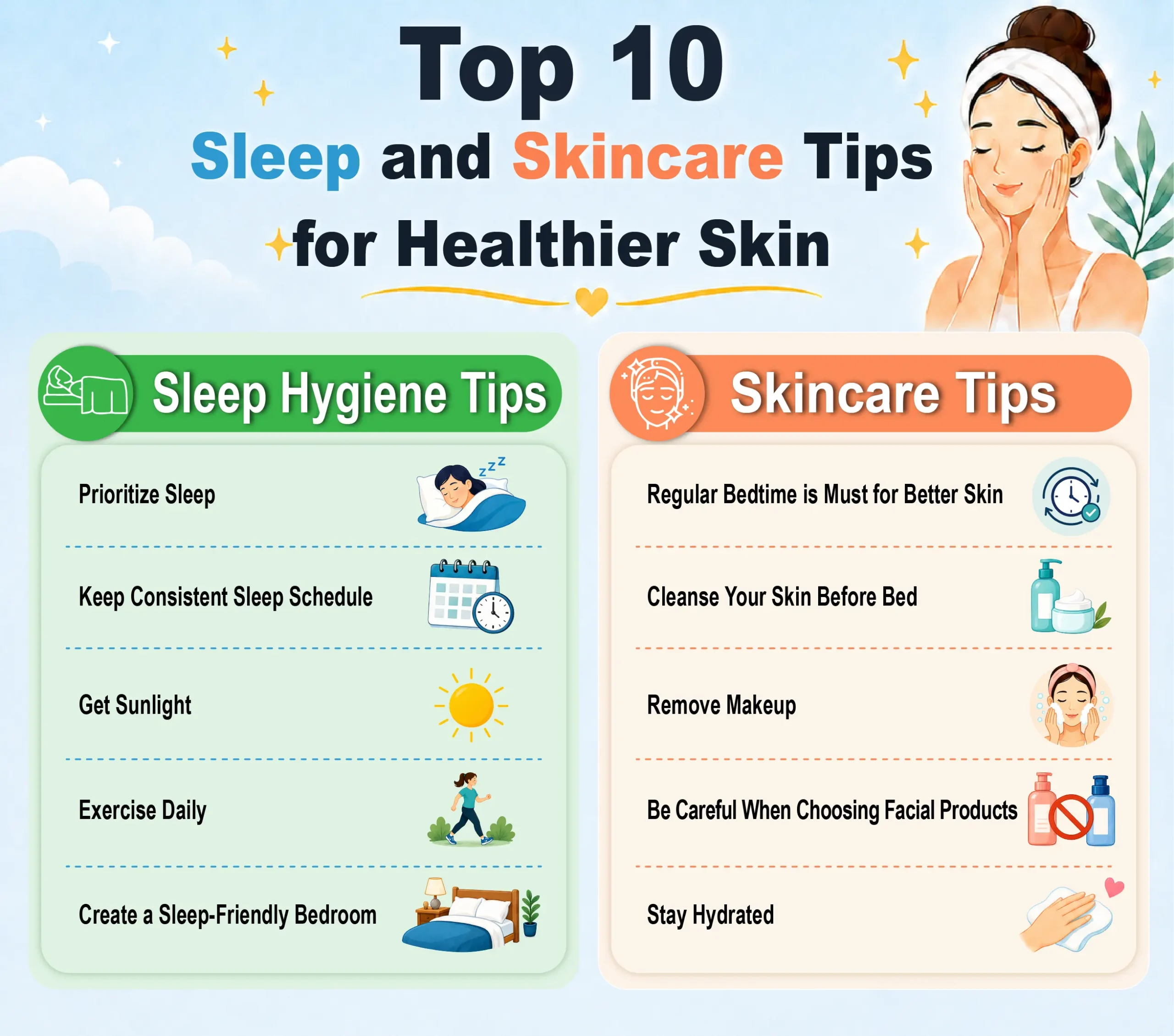
Top 10 Sleep and Skincare Tips for Healthier Skin

  1. Prioritize Your Sleep
    Getting enough quality sleep supports your skin’s natural repair and recovery processes.
  2. Follow a Consistent Sleep Schedule
    Go to bed and wake up at approximately the same time every day, including weekends.
  3. Get Daylight During the Day
    Regular exposure to natural daylight helps regulate your body’s natural sleep-wake rhythm.
  4. Stay Active During the Day
    Regular daytime physical activity may support better sleep and overall skin health.
  5. Keep Your Nightly Skincare Simple
    Use a moisturizer and any recommended treatments as directed, but avoid making your routine unnecessarily complicated.
  1. Clean Your Skin Before Bed
    Remove makeup, sunscreen, sweat, and debris using lukewarm water and a gentle cleanser.
  2. Choose Products Carefully
    Skincare products do not automatically work better at night. Their effectiveness depends on the ingredients, formulation, directions, and the skin problem being treated.
  3. Avoid Mixing Irritating Products
    Unless recommended by a professional, avoid combining exfoliants, retinoids, scrubs, or fragranced products, as they may cause burning, dryness, or itching.
  4. Be Gentle With Your Skin
    Avoid excessive scrubbing or using too many active ingredients at once, especially if your skin feels irritated. 
  1. Create a Sleep-Friendly Environment
    Keep your bedroom dark, quiet, relaxing, and comfortably cool. Limit disruptive devices, avoid caffeine late in the day, and do not use alcohol as a sleep aid. A lengthy skincare routine that delays bedtime may be counterproductive.

When to Expect Changes and When to Seek Help

Some symptoms, such as dryness or looking tired, improve with sleep, but the time frame or number of days cannot be predicted. Look for consistent patterns such as less morning dryness, better comfort, a more rested appearance, or softer dehydration-related lines. Remember that these signs can have many causes, so avoid judging your skin based on a single morning.

In a nutshell, Sleep should be viewed as one part of healthy skincare, not a replacement for sunscreen, moisturiser, a balanced diet or appropriate medical treatment.

Sleep and skin health can affect each other. If you have persistent insomnia, frequent wake-ups, snore loudly, gasp during sleep, or still feel tired after spending enough time in bed, talk to a sleep doctor about whether a sleep assessment is needed. Similarly, see a skin specialist if a skin problem is long-lasting, severe, painful, spreading, infected, scarring, bleeding, or regularly disrupting your sleep.

Conclusion

At Telemedora, we provide personalized sleep care designed around each patient’s symptoms, lifestyle, and health needs. Untreated sleep disorders, including obstructive sleep apnea, can affect inflammation, hormones, energy, skin health, and overall quality of life. Wondering about your risk for obstructive sleep apnea? If you have any of the symptoms or risk factors noted above, talk to your doctor or contact Telemedora for an appointment. If you are in one of the states we serve (CA, FL, GA, IL, IN, OR, and PA), call us at 650-687-7368 (M–F 9 AM – 5 PM Pacific) or visit telemedora.com to book an appointment. At Telemedora, we have helped hundreds of patients with sleep apnea improve their quality of life. We bring expert sleep care directly to the comfort and privacy of your home, helping you get the rest you need to wake up refreshed, focused, and ready to crush your goals for the day.

Disclaimer

This is an educational blog and not medical advice. If you or your loved ones suffer from sleep issues, call Telemedora at 650-687-7368 or visit telemedora.com to find out how we can help you. Whether it's sleep apnea, insomnia, or just restless nights, Telemedora brings expert care directly to your home. We help patients get the rest they need so they can wake up refreshed, focused, and ready to crush their goals for the next day.

Skip to content