

Sleep and Brain Health

Have you ever struggled with brain fog? Those with poor sleep do. Brain fog is a term used by some patients to describe cloudy thinking in the morning, struggle to focus, concentrate and recall important details in the morning. Poor sleep can make any day difficult to get through. Not knowing the answer to why your brain feels so ‘foggy’ and why you feel so mentally and emotionally drained can be even more difficult. People often take sleep for granted, thinking that it is as simple as rest, but sleep is a highly complex process that includes the body restoring and repairing itself. Sleep is a critical window that helps the brain prepare for clear thinking, emotional balance, and healthy daily function.

Why the Brain Needs Sleep

Brain Energy Restoration

The brain works a lot during the day, dealing with decisions, emotions, and barrage of information. All of this takes a lot of energy. Sleep gives brain circuits time to slow down and recover. It also helps adjust communication between brain cells so the brain does not become overloaded.

Memory Reset and Learning

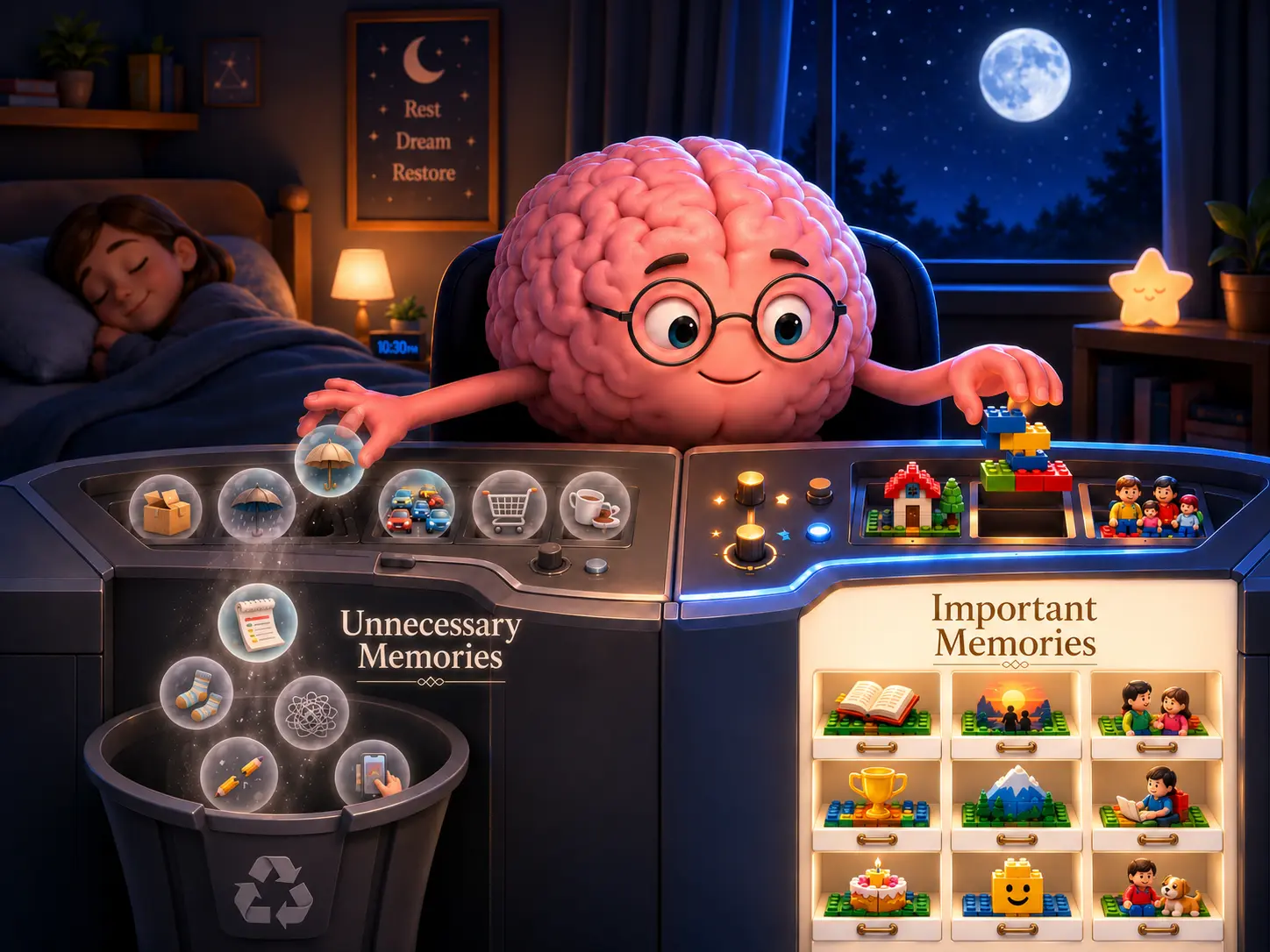
Sleep is essential for memory. The hippocampus, a memory center deep in the brain, helps store memories. During sleep, the brain sorts, categorizes, and organizes memories. The brain stores important memories to be retrieved later. If not useful, memories may be erased forever.

During deep sleep, the brain basically resets and makes it possible for you to store new memories the next day. If this does not happen, your brain is filled with old information and this makes it hard to learn new information.

A simple way to understand this is to imagine having space on hard drive of computer. The more space, the easier it is to store new information.
The Brain’s Cleaning System

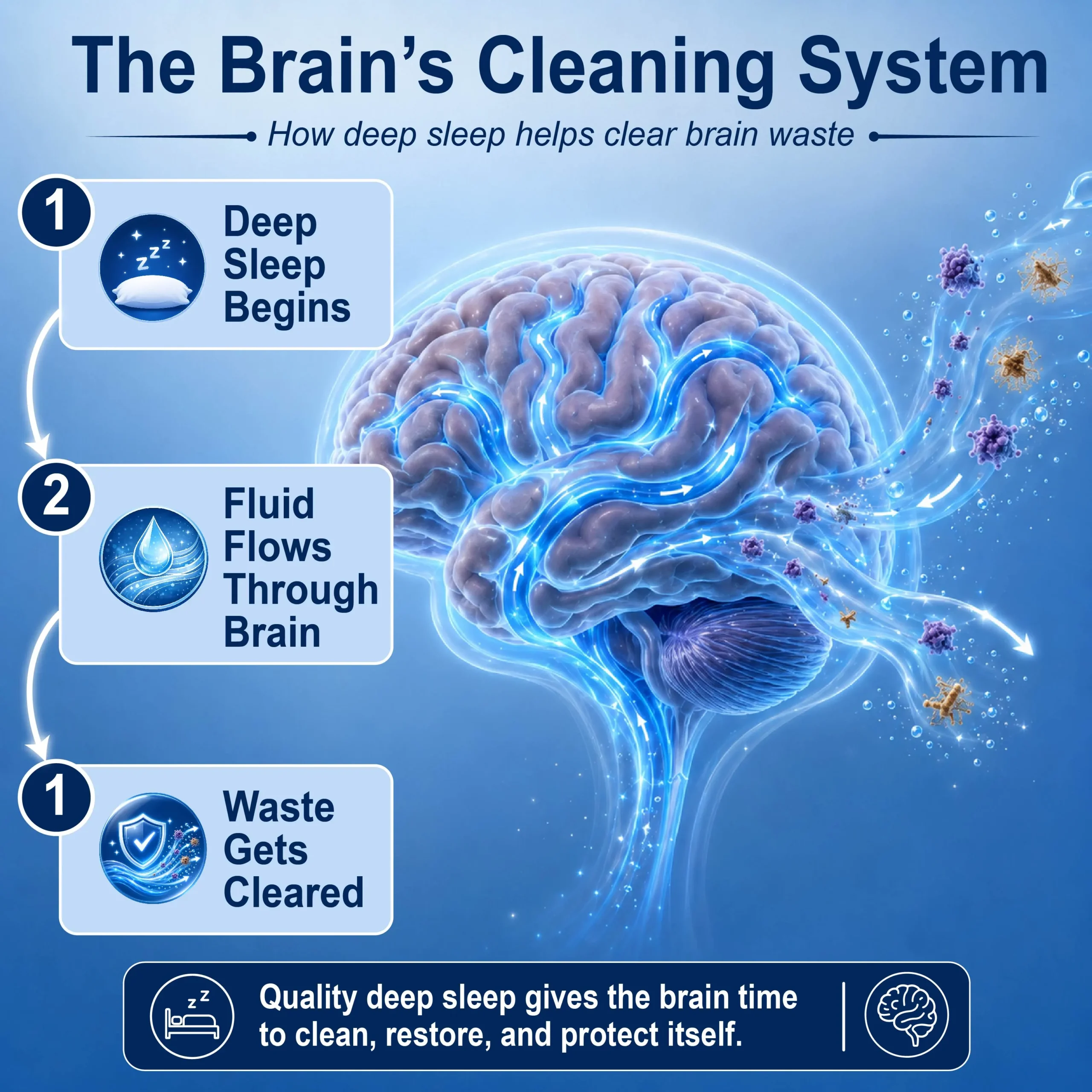
Your brain actually has its own built-in cleaning system, known as the glymphatic system. This system allows your brain tissue to literally wash away the day’s waste while you sleep.

This cleaning process is incredibly important because it flushes out specific proteins, such as amyloid-beta and tau. If these proteins are left to build up over time, they may cause memory conditions like Alzheimer’s disease.

The glymphatic system relies heavily on deep sleep to do its best work. When your rest is constantly interrupted, it cannot clear out the waste properly. This disruption can happen because of:

  • Broken or poor-quality sleep
  • Underlying sleep disorders
  • The natural aging process
  • Vascular problems

Just like leaving dirty dishes to pile up in the sink, skipping out on deep sleep means the brain’s waste gets left behind, which can impact your brain’s health over time.
How Poor Sleep Affects Daily Brain Function

Poor Focus

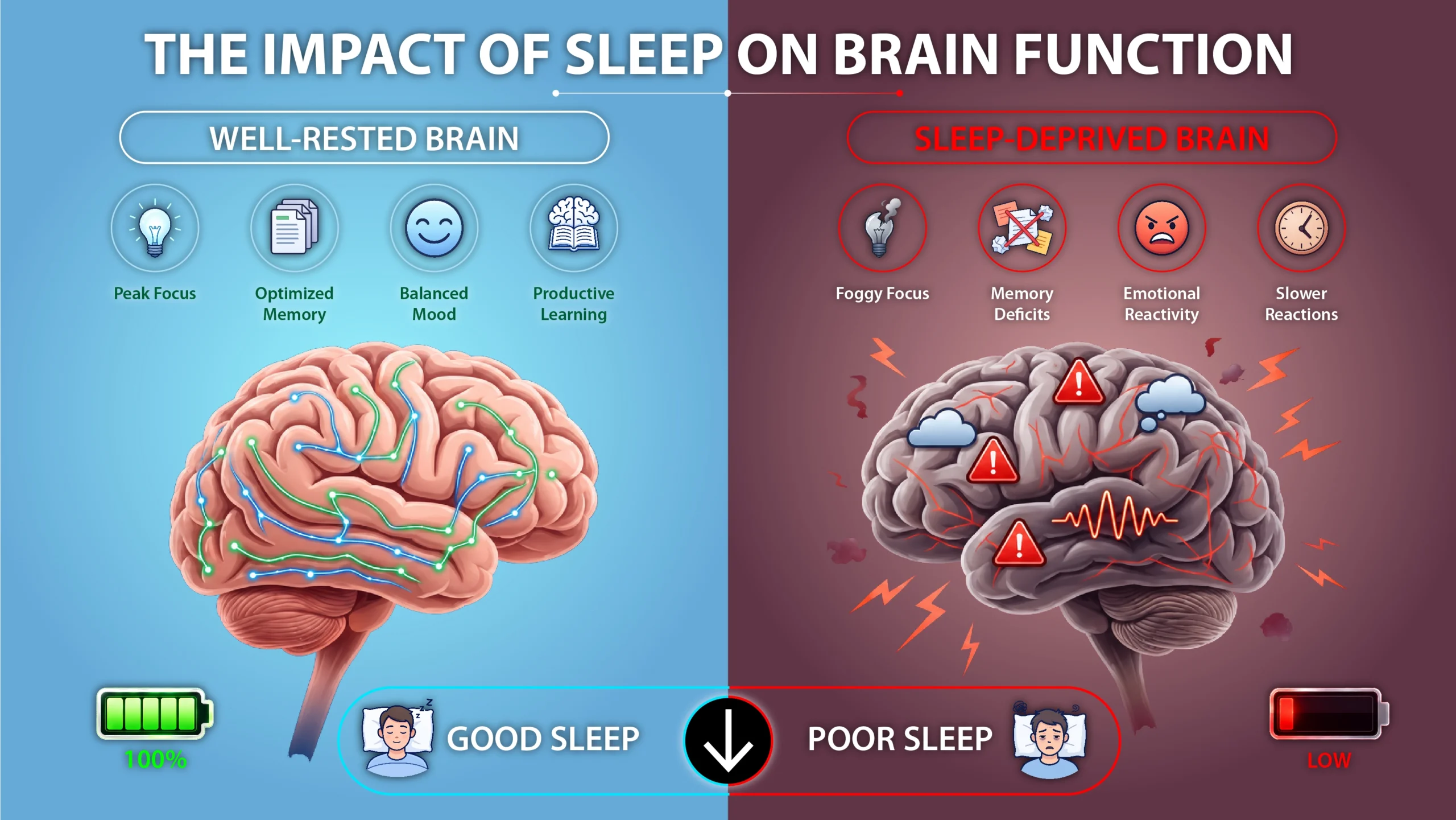
One of the most common complaints after poor sleep is poor focus. Thoughts feel slower. Tasks that should be simple may take more effort. Poor sleep can reduce attention, reaction time, processing speed, and flexible thinking. It can also make decision-making less sharp. This is why people may feel less patient, less productive, and more mentally drained after a bad night.

Memory Problems

Poor sleep can affect both types of memory: Facts and Skills. A person may forget names, lose track of tasks, or struggle to remember what was learned the day before. Learning does not end when the book closes or the meeting ends. The brain still needs sleep to strengthen and organize what was learned. When sleep is short or broken, memories may not be stored as well. This happens because sleep plays a vital role in storing memories.

Mood Changes and Emotional Reactivity

Poor sleep can make emotions feel louder. Small problems may feel bigger. Irritation, sadness, stress, and anxiety may rise. One reason is that sleep loss can increase activity in the amygdala, the brain’s emotional alarm center. At the same time, it can weaken communication with the prefrontal cortex, the part of the brain that helps with calm thinking and self-control.

Sleep Disorders and Brain Health

Sleep Apnea, Oxygen Drops, and Brain Fog

Obstructive sleep apnea occurs when the throat muscles relax during sleep, causing complete or almost complete airways collapse, cutting off airflow intermittently. When the airflow gets cut off, oxygen levels go down, and your brain kicks in a survival reflex that momentarily wakes you up so you can breathe again. 

This can fragment sleep all night long. The brain may not get enough deep, steady rest. Repeated oxygen drops can also stress blood vessels and brain tissue.

People with untreated sleep apnea often describe brain fog, poor concentration, forgetfulness, slower thinking, and low mental clarity. 

Sleep apnea is important because it is treatable. When breathing improves during sleep, many people notice better daytime clarity and energy.

Insomnia, Stress, and Mood Disorders

Insomnia is more than “not sleeping enough.” It often involves a state of high alertness at bedtime or in the middle of night. The body may feel tired, but the brain will not shut down.

Stress and anxiety can keep the brain awake. At the same time, poor sleep can make stress and anxiety worse. This back-and-forth pattern can become exhausting.

Chronic insomnia is also linked with higher risk of mood problems. Sleep difficulty may appear before or alongside depression and anxiety. This does not mean every person with insomnia will develop a mood disorder, but it does mean ongoing sleep trouble deserves attention.

Long-Term Consequences of Poor Sleep

Cognitive Decline

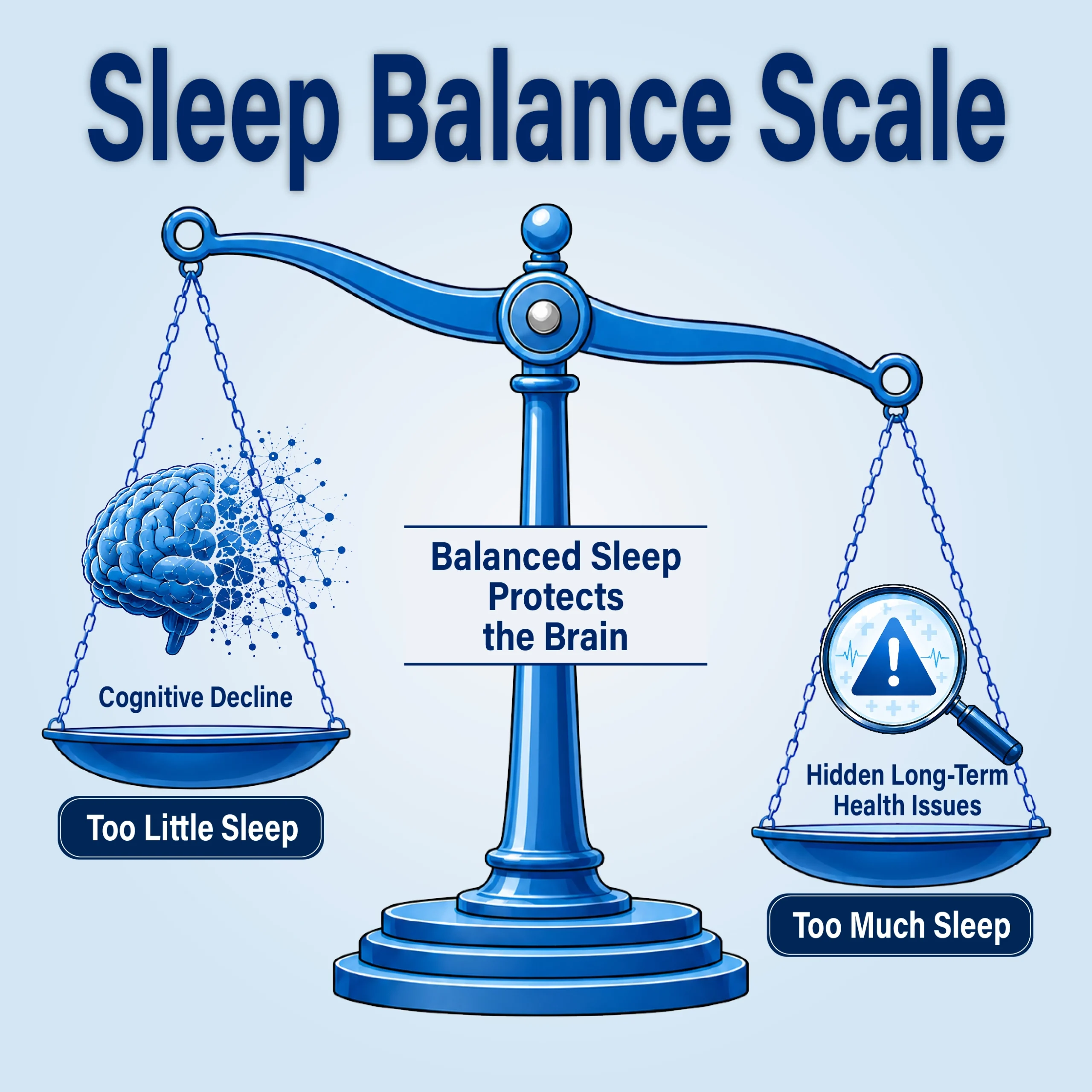
If irregular sleep goes on for months or years, the brain loses some of its resilience. Both short and long sleep duration are associated with worse cognitive outcomes.

  • Too little sleep: Stops the brain from healing, sorting memories, and clearing out waste.
  • Too much sleep: Can be a warning sign of poor sleep quality or other hidden health issues.

Remember, regular, balanced sleep is the best way to protect your brain as you age.

Vascular and Inflammatory Brain Changes

Sleep does not just clean the brain; it protects its blood supply. Poor sleep is closely tied to high blood pressure and heart problems, which can restrict the vital flow of blood and oxygen to the head.

Missing out on rest also triggers a rise in inflammation and cellular stress. Over time, this chronic wear and tear can cause serious damage:

  • Weakens the shield: It can compromise the blood-brain barrier, which is the brain’s built-in protective shield.
  • Damages vessels: It harms the tiny, delicate blood vessels that keep the brain nourished.

Chronic sleep loss leaves the brain physically vulnerable and struggling to maintain its own health.
Simple Steps to Protect Your Sleep and Brain Health

Struggling with sleep is not a personal failure. It is simply a sign that your body needs support. Click Here for helpful sleep hygiene tips for mental well-being.

Better Sleep, Healthier Brain

Sleep is one of the brain’s most important healing tools. It restores energy, resets learning circuits, strengthens memory, steadies mood, supports blood vessels, and helps clear waste.

For anyone struggling with poor sleep, the experience is real. Brain fog, forgetfulness, and emotional exhaustion are not signs of weakness. They may be signs that the brain is not getting the recovery it needs.

Better sleep is not just about feeling rested tomorrow. It is about protecting the brain for the years ahead.

Conclusion

At Telemedora, we recognize the profound impact that untreated sleep apnea can have on an individual's life. We understand the chronic fatigue, the frustration of restless nights, and the serious long-term health risks associated with this condition. It is this understanding that drives our commitment to providing a patient-centered, comprehensive care model. Our approach begins with a commitment to personalized treatment. We move beyond a one-size-fits-all methodology, recognizing that every patient's sleep apnea is unique, influenced by individual physiology, preference, lifestyle, and severity. We offer home sleep studies (home polysomnogram, single-night and multi-night home sleep apnea testing) and our board-certified sleep specialist creates a treatment plan tailored precisely to your needs.

Furthermore, Telemedora is dedicated to longitudinal care, a philosophy of ongoing support that extends far beyond the initial diagnosis and treatment setup. Sleep apnea management is not a one-time fix; it requires ongoing monitoring and adjustment. The sustained support is crucial for ensuring long-term adherence to treatment, optimizing health outcomes, and ultimately helping you reclaim restful sleep and a better quality of life.

Wondering about your risk for obstructive sleep apnea? If you have any symptoms or risk factors noted above, talk to your doctor or contact Telemedora for an appointment. If you are in one of the states which we serve (CA, FL, GA, IL, IN, OR and PA), call us at 650-687-7368 (M-F 9 AM - 5 PM Pacific) or visit telemedora.com to book an appointment. At Telemedora, we have helped hundreds of patients with sleep apnea in improving their quality of life. We bring expert care directly to the comfort and privacy of your own homes. We help patients get the rest they need so they can wake up refreshed, focused, and ready to crush their goals for the next day.

Disclaimer

This is an educational blog and not medical advice. If you or your loved ones suffer from sleep issues, call Telemedora at 650-687-7368 or visit telemedora.com to find out how we can help you. Whether it's sleep apnea, insomnia, or just restless nights, Telemedora brings expert care directly to your home. We help patients get the rest they need so they can wake up refreshed, focused, and ready to crush their goals for the next day.

References

  1. Backman, I. (2024, January 29). Poor sleep may increase markers of poor brain health, new study finds. Yale School of Medicine. medicine.yale.edu/news-article/poor-sleep-may-increase-markers-of-poor-brain-health-new-study-finds/ 
  2. Benkirane, O., Mairesse, O., & Peigneux, P. (2024). Impact of CPAP therapy on cognition and fatigue in patients with moderate to severe sleep apnea: A longitudinal observational study. Clocks & Sleep, 6(4), 789–816. doi.org/10.3390/clockssleep6040051 
  3. Corbali, O. C., & Levey, A. I. (2025). Glymphatic system in neurological disorders and implications for brain health. Frontiers in Neurology, 16, Article 1543725. doi.org/10.3389/fneur.2025.1543725 
  4. Feng, F., Cai, Z., Chen, J., Yang, D., Huang, N., & Luo, Y. (2025). U-shaped association between sleep duration and long-term cognitive decline trajectories in a national cohort. Scientific Reports, 15, 39767. doi.org/10.1038/s41598-025-23440-x 
  5. Fjell, A. M., & Walhovd, K. B. (2025). Sleep patterns and human brain health. The Neuroscientist, 31(5), 483–498. doi.org/10.1177/10738584241309850 
  6. Harvard Medical School. (n.d.). Sleep and mood. Division of Sleep Medicine—Sleep and Health Education Program. sleep.hms.harvard.edu/education-training/public-education/sleep-and-health-education-program/sleep-health-education-87
  7. Jiang, J., Li, M., Xia, Y., Wei, W., Li, S., Wu, X., Li, S., & Xu, H. (2026). The function of microglia in cognitive impairment influenced by sleep deprivation. Cellular and Molecular Neurobiology, 46, 27. doi.org/10.1007/s10571-025-01654-x 
  8. Li, Z., Zhong, T., & Meng, X. (2025). A meta-analysis study evaluating the effects of sleep quality on mental health among the adult population. BMC Public Health, 25, 2992. doi.org/10.1186/s12889-025-23709-w
  9. Ma, J., Chen, M., Liu, G.-H., Gao, M., Chen, N.-H., Toh, C. H., Hsu, J.-L., Wu, K.-Y., Huang, C.-M., Lin, C.-M., Fang, J.-T., Lee, S.-H., & Lee, T. M. C. (2025). Effects of sleep on the glymphatic functioning and multimodal human brain network affecting memory in older adults. Molecular Psychiatry, 30, 1717–1729. doi.org/10.1038/s41380-024-02778-0 
  10. Parry, W. (2024, December 18). Could treating sleep apnea help prevent Alzheimer’s? University of Miami Miller School of Medicine. news.med.miami.edu/could-treating-sleep-apnea-help-prevent-alzheimers/ 
  11. Qiu, K., Liu, Y., Hu, C., Gu, J., & Huang, Y. (2025). Threshold effects of sleep duration and cognitive function in older adults with BMI ≥ 25 kg/m². Frontiers in Aging Neuroscience, 16, Article 1529639. doi.org/10.3389/fnagi.2024.1529639 
  12. Ramanujan, K. (2024, August 15). Sleep resets neurons for new memories the next day. Cornell Chronicle. news.cornell.edu/stories/2024/08/sleep-resets-neurons-new-memories-next-day 
  13. Suni, E. (2025, July 29). How lack of sleep impacts cognitive performance and focus. Sleep Foundation. sleepfoundation.org/sleep-deprivation/lack-of-sleep-and-cognitive-impairment 
  14. Whitehouse, R. (n.d.). Systematic review and meta-analysis of glymphatic dysfunction in sleep disorders and cognitive outcomes. URSS Showcase. Retrieved June 30, 2026, from urss.warwick.ac.uk/items/show/767 
  15. Yale School of Medicine. (2022, May 10). Sleep’s crucial role in preserving memory. medicine.yale.edu/news-article/sleeps-crucial-role-in-preserving-memory/ 
  16. Zare, F., Shakhmurova, G., Rizaev, J., Smerat, A., Abbood, R. S., Patil, V., & Kumar-Mishra, M. (2026). Sleep-dependent clearance of brain metabolites via the glymphatic system: Implications for Alzheimer’s pathophysiology. Brain and Behavior, 16, e71374. doi.org/10.1002/brb3.71374
Skip to content