These patient education resources from Telemedora are designed to help you better understand sleep, sleep disorders, testing, and treatment options. Explore easy-to-understand information about common sleep conditions such as sleep apnea and insomnia, as well as tips for improving your sleep health. Our resources are intended to help you make informed decisions and take the next step toward better sleep and overall health.
Obstructive Sleep Apnea in Pregnancy
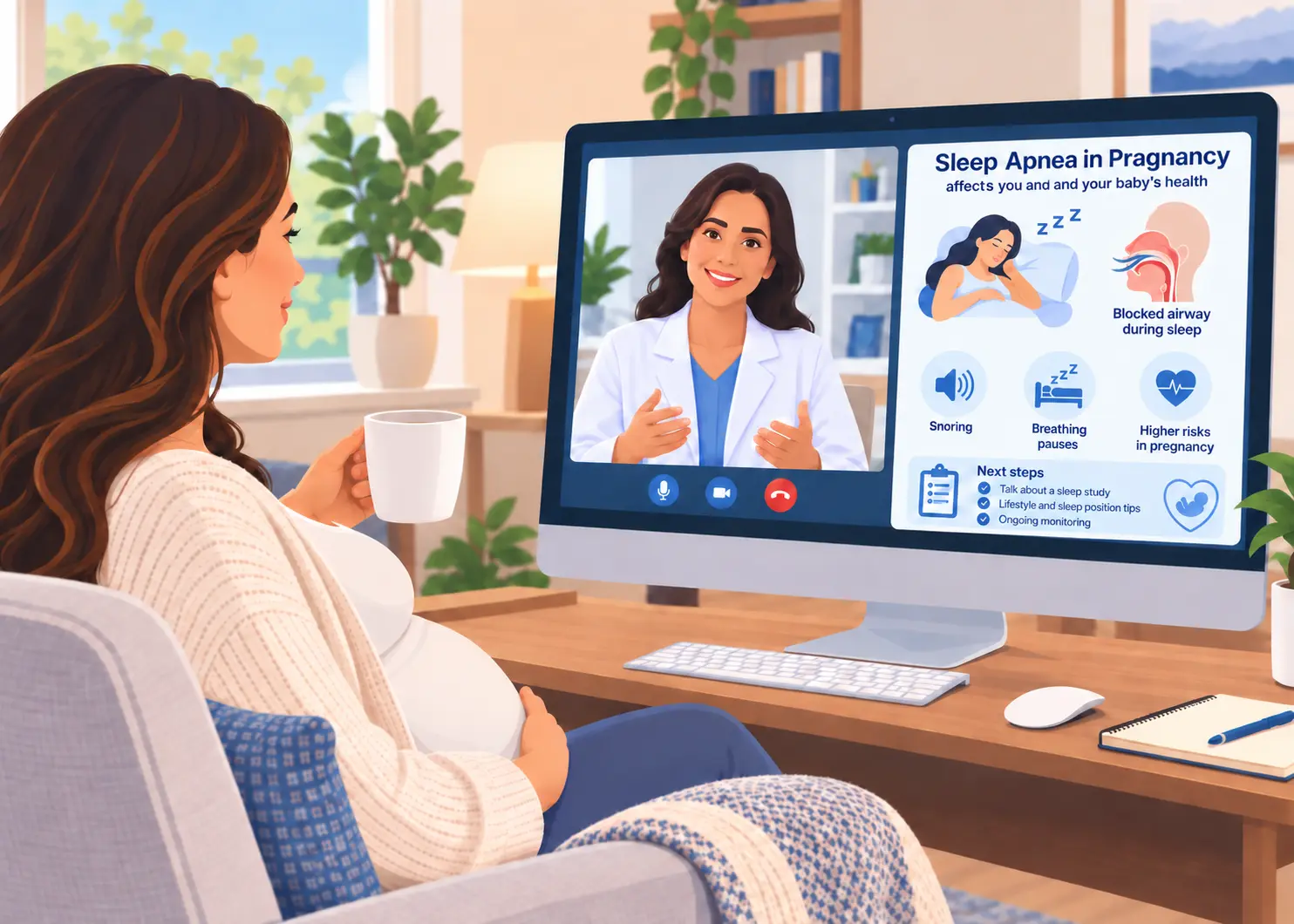
Obstructive Sleep Apnea (OSA) is more prevalent in pregnant women especially those with complicated pregnancies than in nonpregnant women of reproductive age. The prevalence of OSA during pregnancy is estimated to be 4% to 27%, compared with approximately 0.7% to 6.5% in nonpregnant women. Read more
The Science Behind Beauty Sleep
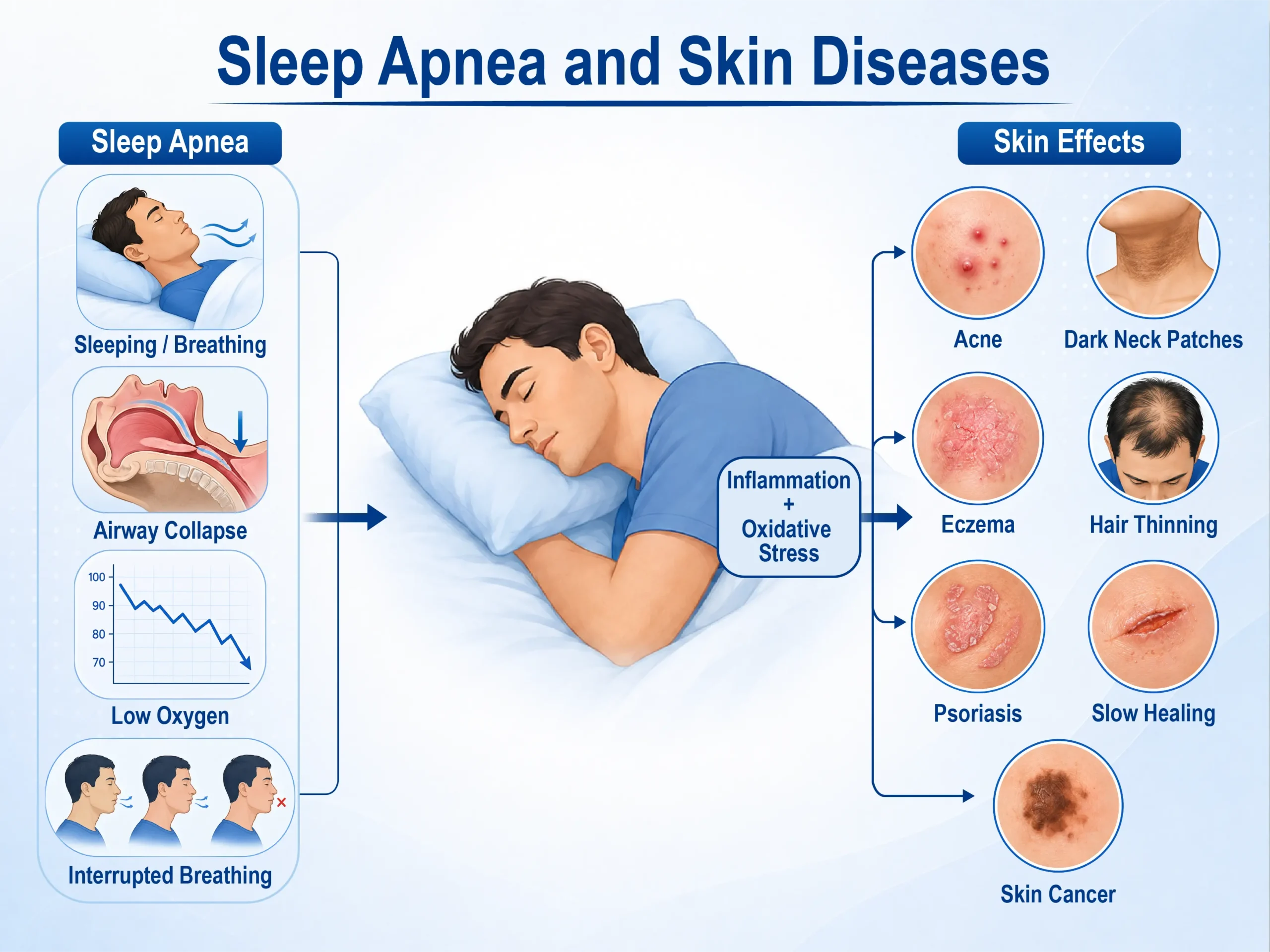
For some people, the secret to youthful skin is mainly about beauty products like moisturizers, sunscreens, anti-aging procedures, and prescription treatments. However, it is important to note that good quality and quantity of sleep has a significant impact on skin, i.e. the largest organ in our bodies. Read more
Sleep and Brain Health
Have you ever struggled with brain fog? Those with poor sleep do. Brain fog is a term used by some patients to describe cloudy thinking in the morning, struggle to focus, concentrate and recall important details in the morning. Poor sleep can make any day difficult to get through. Read more
The Truth About Consumer Sleep Trackers
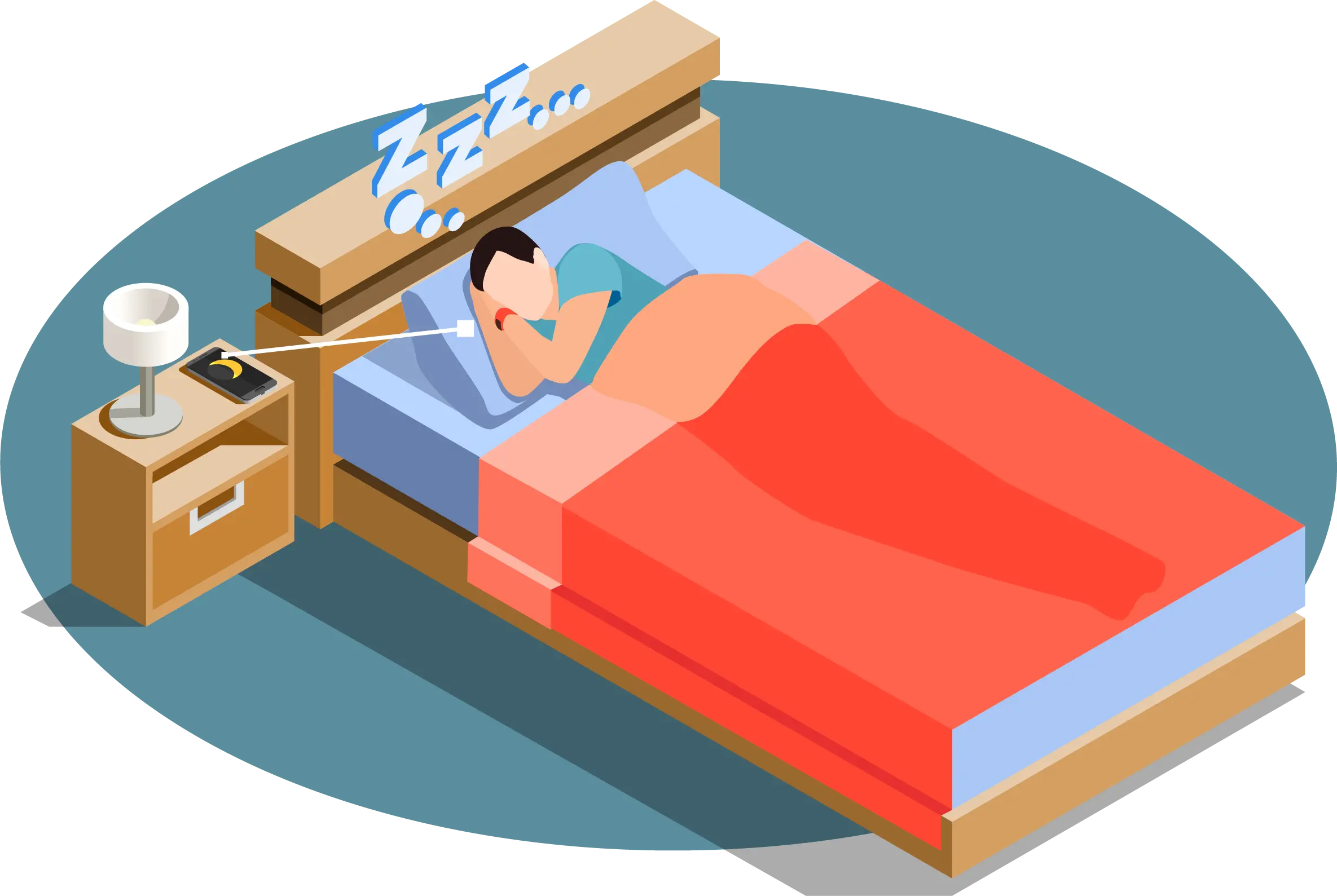
Sleep tracking is one of the fastest-growing wellness trends of our time. What used to involve spending an entire night in a sleep lab hooked up to wires and monitors to get an idea of how much you slept overnight is now something you can do easily with smart consumer gadgets. Read more
Breaking Down Sleep Apnea
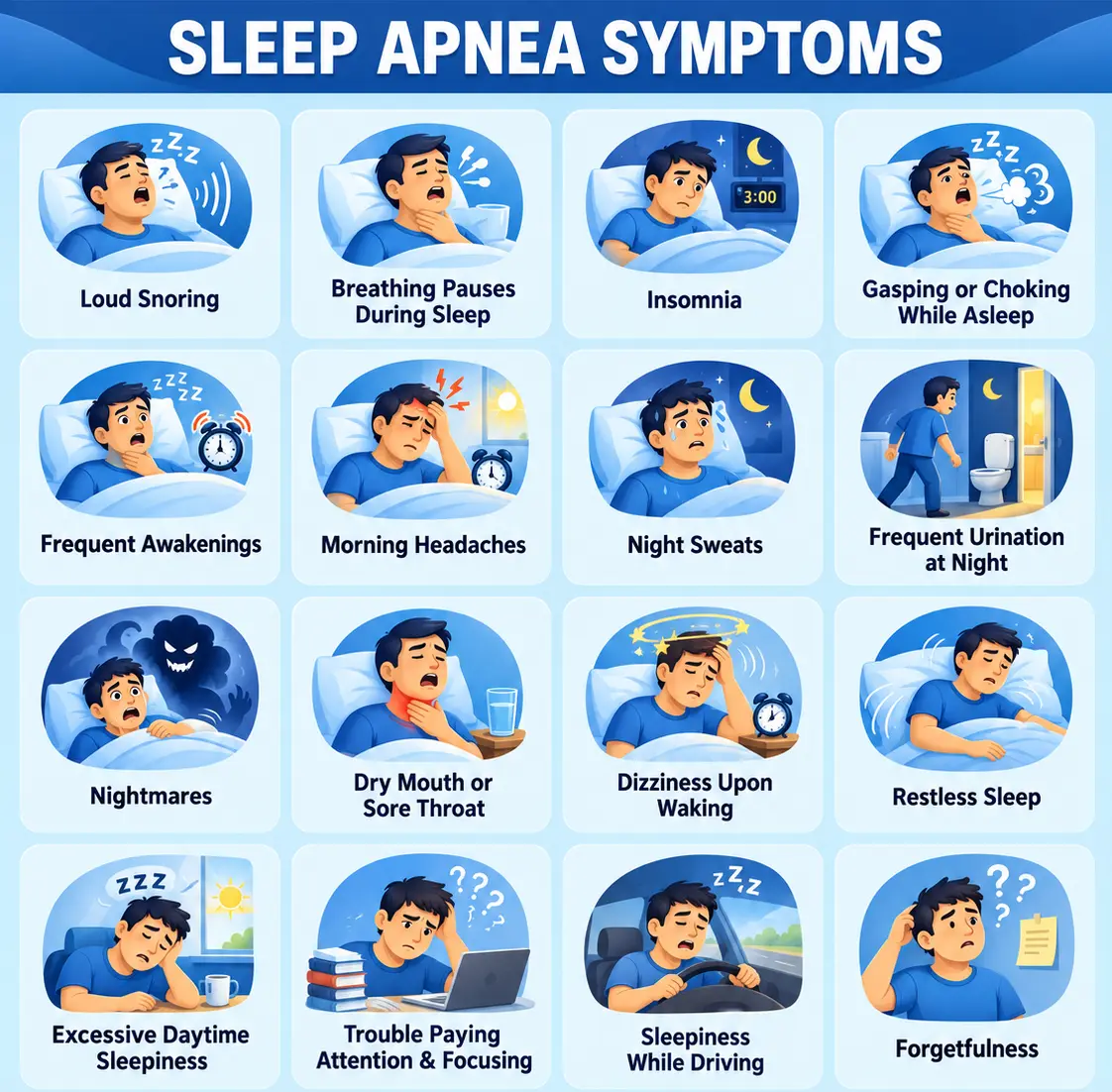
Obstructive Sleep Apnea (OSA) is a chronic, serious, and most common sleep disorder. It occurs when the throat muscles relax during sleep, causing complete or almost complete airways collapse, cutting off airflow intermittently. Read more
Understanding Sleep and Sleep Stages
Sleep is a fundamental biological process for humans, a state of rest that is as essential to our survival as food and water. From the outside, it appears simple: a period of quiet stillness. Read more
Home Sleep Testing: Uses, Pros and Cons
Obstructive Sleep Apnea (OSA) is a condition caused by intermittent and repetitive episodes of partial or complete cessation of airflow due to the collapse of upper airways. As a result of this airway collapse, oxygen level drops in the body causing a negative impact on your health. Read more